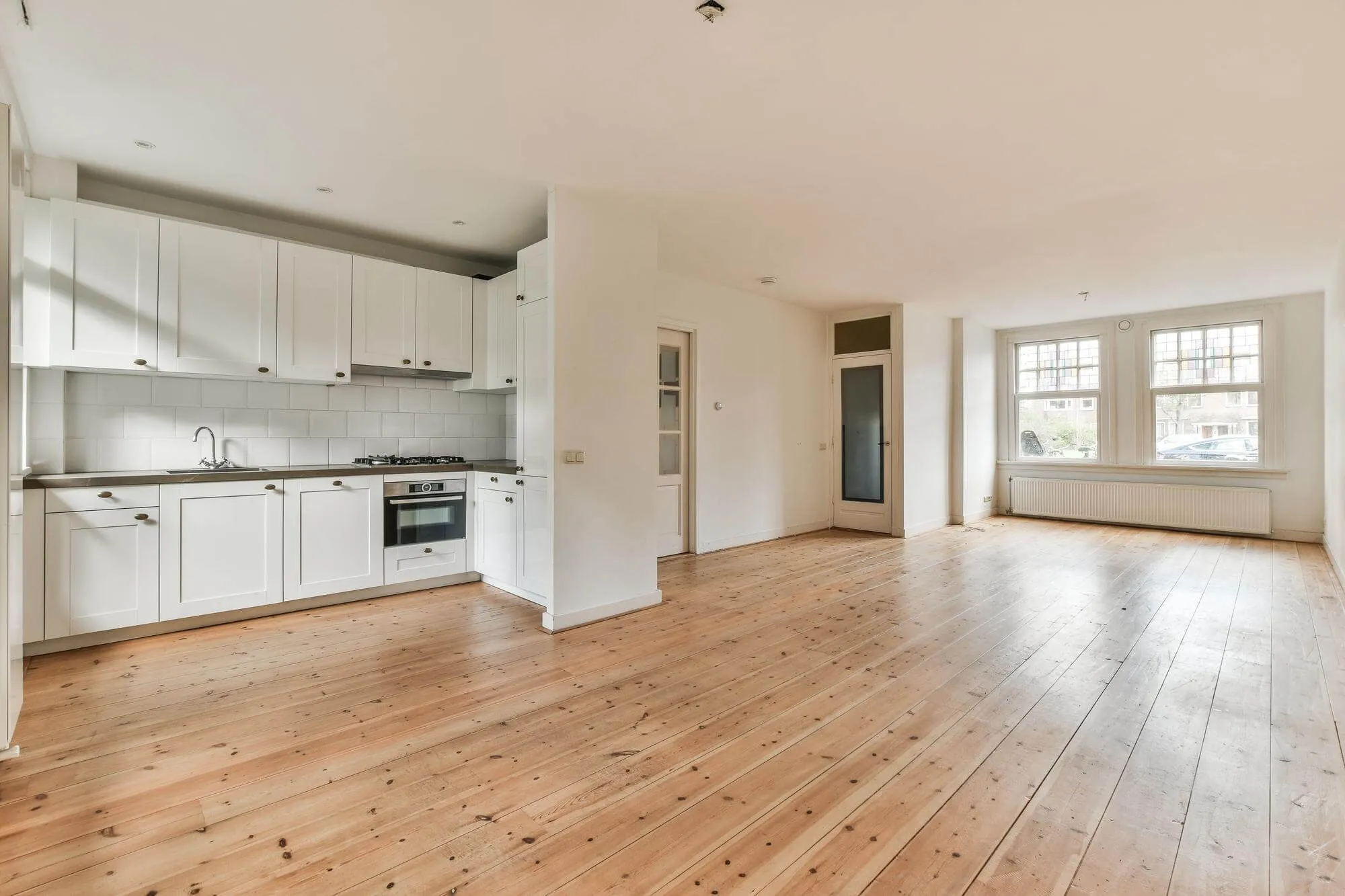
Your wooden flooring may appear to be worn out even though it may not always be indicative of the same. In some cases, the problem may just be superficial grime or fading finish covering otherwise healthy and clean wooden floorboards. On the contrary, some floors could be damaged, which can be noted by scratches, deformations, and wear that cannot be repaired by cleaning alone. Knowing what your current situation is can be the determining factor between a simple, low-cost problem and a full refinishing of the hardwood floors service, so it is helpful to know what is meant by either term.
At MGX Hardwood Care, this is the question that we get asked most frequently when discussing our clients’ hardwood floors, and the answer can depend on the extent of floor wear.
Start by Evaluating Your Wear Level
Before making a final choice between cleaning or refinishing, observe your flooring keenly in well-lit surroundings.
Minor wear usually involves dull surfaces on paths that see a lot of traffic, slight scuffing, blurred or clouded finishes, and scratches that feel like little under one’s nails. This kind of damage is found in the finish and not in the wood.
Major damages include nail sized gashes, splintering of wood and raised wood grain, areas of exposure where finish has faded or greyed, dark water stains, and areas of warping. This type of damage has penetrated through the finish and impacted the wood underneath that.
This distinction is crucial as it is used to determine which service should be undertaken to remedy the situation and paying for the wrong one can either waste your money or fail to deal with the real problem.
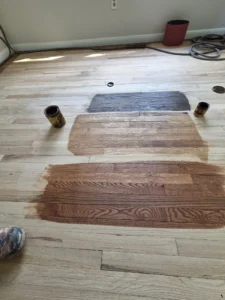
When Deep Cleaning Is the Right Call
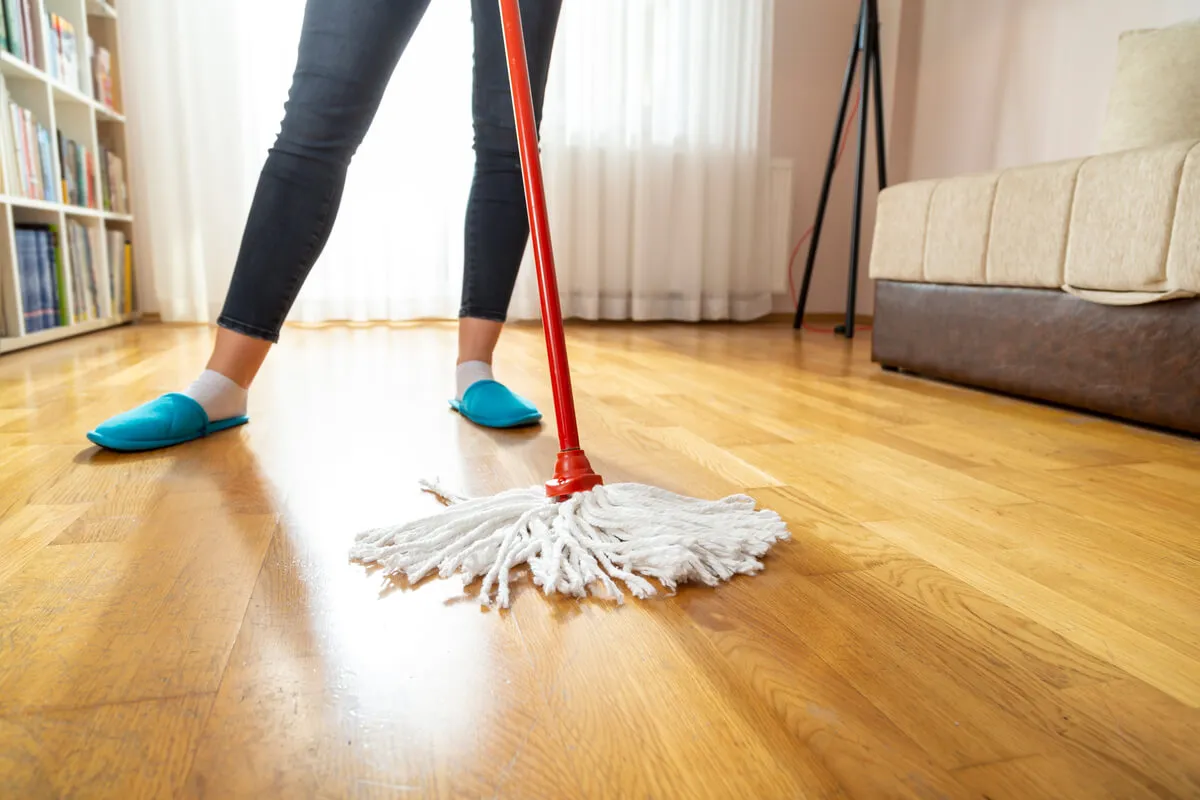
If your floor’s challenge is mainly about cosmetic loss of shine or accumulation of dirt, deep cleaning service for hardwood might be the right option for you. Indeed, it is cheaper and less intrusive than refinishing.
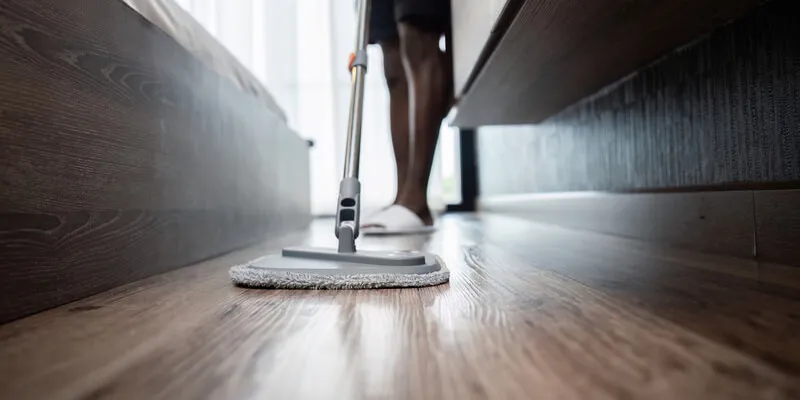
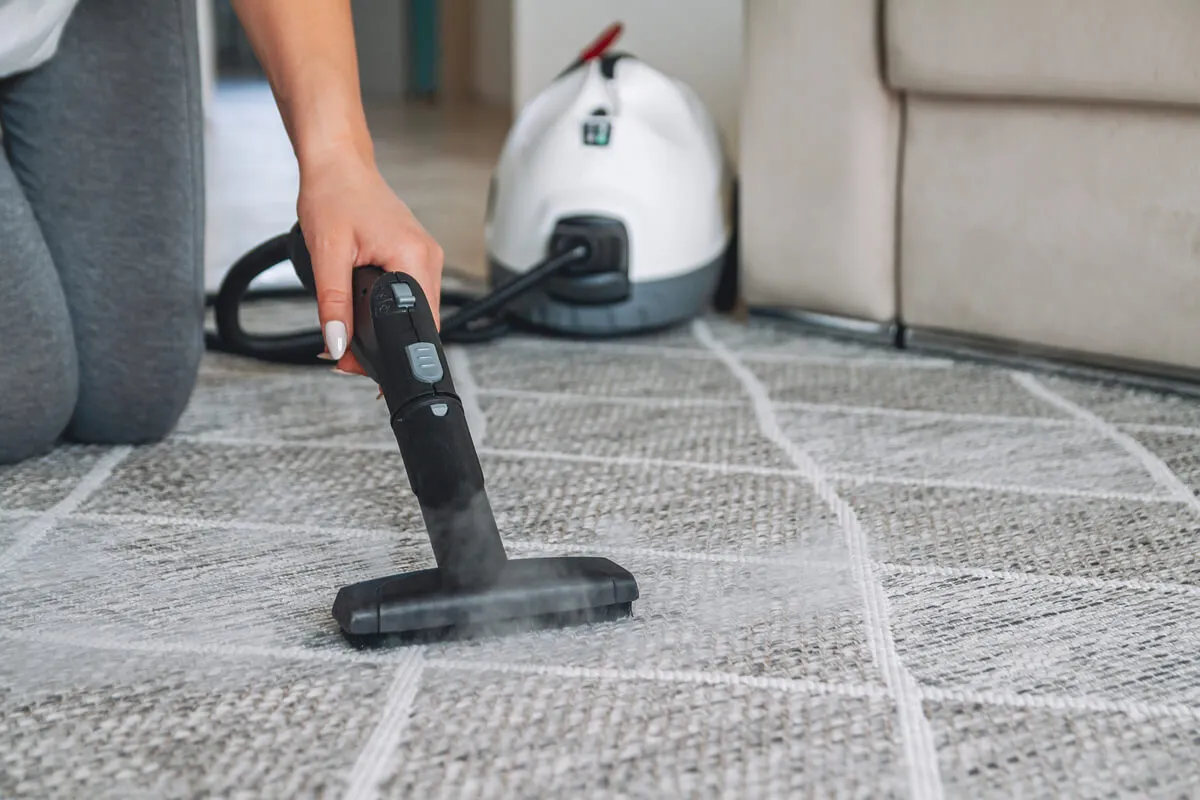
Professional hardwood deep cleaning is beyond any mop-and-go service. It usually involves low-emission, wood-safe cleaning technologies that allow you to remove dirt and cleaning product residues from the wood grain while protecting it from excessive dampness. As a result, the shine is restored and the dull film that cannot be eliminated by regular cleaning is also removed without taking away the finish.
Deep cleaning is definitely a step to be taken if:
- The floor looks dull but there are no scratches and bare areas present
- You would like to restore the shine without prolonged downtime of the whole refinishing
- There is still some finish left, but it is dirty
- You are interested in the routine maintenance of the existing finish.
In case the cleaning procedure didn’t help you restore the shine, or the floor has more damages, the screening and re-coating procedure is the next logical step.
Screen and Recoat: The Middle Ground
The screen and recoat technique for hardwood floors lies somewhere between deep cleaning and full refinishing. It is a procedure wherein the existing finish is subjected to some light abrasion (screening) in order to prepare the surface for bonding with the new topcoat that is supposed to be applied over the existing finish, without eliminating it completely.
Screen and recoat can be the best solution if there are some scratches and lack of shine, but all parts of the wood are still safe and sound. This method is faster, more affordable, effective, and does not require dust removal.
Unfortunately, this method can be worked only if the old finish is still strong enough to secure a new one. If it is completely worn out and does not provide any surface for the bonding of the new coat, then the screening process cannot be performed successfully.
When You Need a Full Refinish
A full sand-and-refinish procedure is important when the damage done to the finishes reaches the wood material as well. Things to look for in a full sand-and-refinish technique include:
- Deep marks and scratches that are visible and can be touched with a fingernail.
- Exposed bare wood that can be seen in areas that have heavy traffic.
- Water damage and/or stain damage seen on the wood.
- Complete wear of the finish applied to the wood, therefore no bonding will occur.
The cost of hardwood refinishing depends on how complicated the process is because it involves processes like sanding out the old finish, filling holes, staining the wood if necessary, and applying several coats. This process is very intrusive, and may take several days in process.
How to Restore Dull Hardwood Floors Without Overpaying
In the case that you want to restore dull hardwood floors, you should first check the least severe option based on the condition your floors are having. If there was an option of scraping and polishing, but you choose to take a much more serious option of mid-sanding, this would result in more expensive and wasteful budget planning.
To assess the state of your hardwood flooring on your own simply take a damp cloth and wipe the surface. If this cloth picks up dirt and the shine on your flooring is still good, your case is just a regular cleaning. If your floor remains dull right after cleaning, you might have to look for a deeper solution like re-coating or refinishing the surface instead of going for a more complex option.
Frequently Asked Questions
Can deep cleaning help with scratches on the hardwood floor?
Not really, because deep cleaning only makes the surface finish clean and shiny; deep cleaning will not help with scratches that have penetrated through various layers of the finish. Scratches usually require a screen-and-recoat process or sometimes even full refinishing based on how deep the scratches go.
How often should hardwood flooring be deep-cleaned professionally?
Most houses would benefit from professional deep cleaning every 12–18 months depending on foot traffic, pets, and care in between visits.
Is screen-and-recoat as good as a full refinishing?
In essence, it is good only for floors with no serious wear and effective finish; it does not mean that it can substitute refinishing if the wood has been exposed to damage.
Not Sure Which Your Floor Needs?
In order to avoid poor choices between cleaning, recoating, and refinishing, you may as well hire a Hardwood Care company, which will carry out a basic inspection of your floors for free. The company performs an unbiased evaluation and tells the client what is needed for current wear of the floor without referring to any extra services.