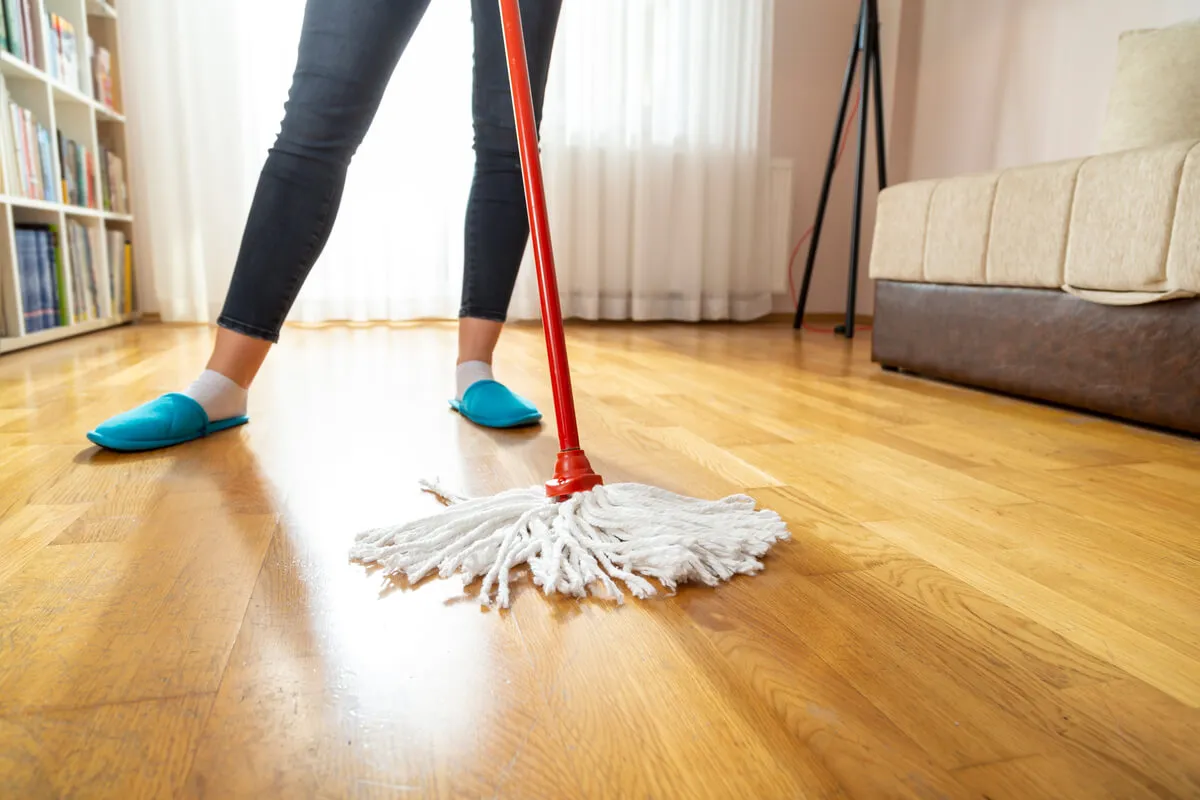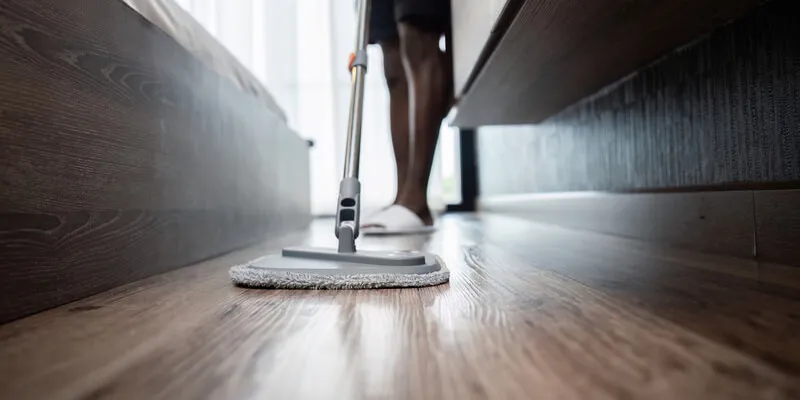
Office floors undergo more wear and tear compared to carpeting and tiles in residential buildings. In commercial spaces, more than just a few household members walk on the floors in fact, dozens to hundreds of feet walk on the office floor. Also, there isn’t enough time for cleaning and letting the floors recover, since commercial operations typically take five to six working days every week. Therefore, for anyone managing an office, it is necessary to hire suitable contractors to take care of the floor cleaning, not only because of the aesthetic aspect but also in order to maintain professionalism and protect capital investment.
Why Commercial Carpet Wear Differently Than Residential Ones
Commercial flooring undergoes some stressors that are entirely absent in residential floors. This involves a large and continuous volume of foot traffic across the same entrances and corridors, debris and dirt being carried to the floors from roads and car parks, spills occurring in meeting and break rooms, and limited options for taking a space temporarily out of service for cleaning and drying.
Thus, commercial flooring requires more regular and organized cleaning routines compared to private homes. If ignored, damage from high traffic goes beyond creating an ugly aesthetic and leads to the deterioration of carpet fibers and reducing the lifespan of hard floors. For facility managers responsible for several floors or even locations, replacing flooring can be costly but maintenance can reduce that expense in the long term.
What to Look for in Commercial Floor Cleaning Contractors
Not every house-cleaning service will work on larger jobs in a business. Some of the things to look for in a business floor-cleaning service include the following:
- A provider that can offer flexible cleaning hours so that the business remains uninterrupted by cleaning operations. Some companies may work in the evening, overnight, or on the weekend.
- A provider with proper equipment capable of handling a larger space than what is required for home cleaning.
- A cleaning contractor that should be experienced in a number of different types of floor covering since many offices will have a combination of carpet-like, tile, and other surfaces.
- A company that can offer documented proof of cleaning services performed as relied upon by facility managers.

Never hire a cleaning contractor that considers commercial cleaning as strictly residential cleaning done in a bigger space as this will lead to misunderstandings about cleaning requirements and use of equipment.
The conclusion to this section deals with how cleaning works. Once you have found a provider, you need to understand how the whole process is done and what the implications are.
Commercial Carpet Cleaning: Process and Cost Considerations
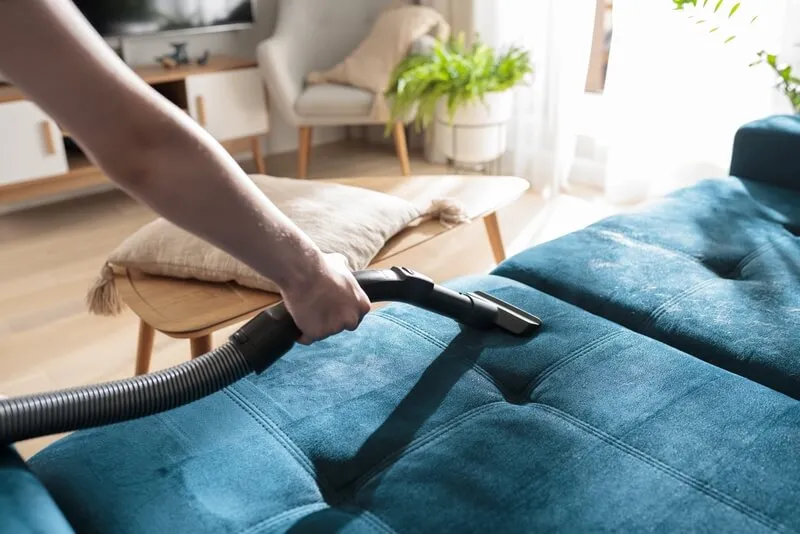
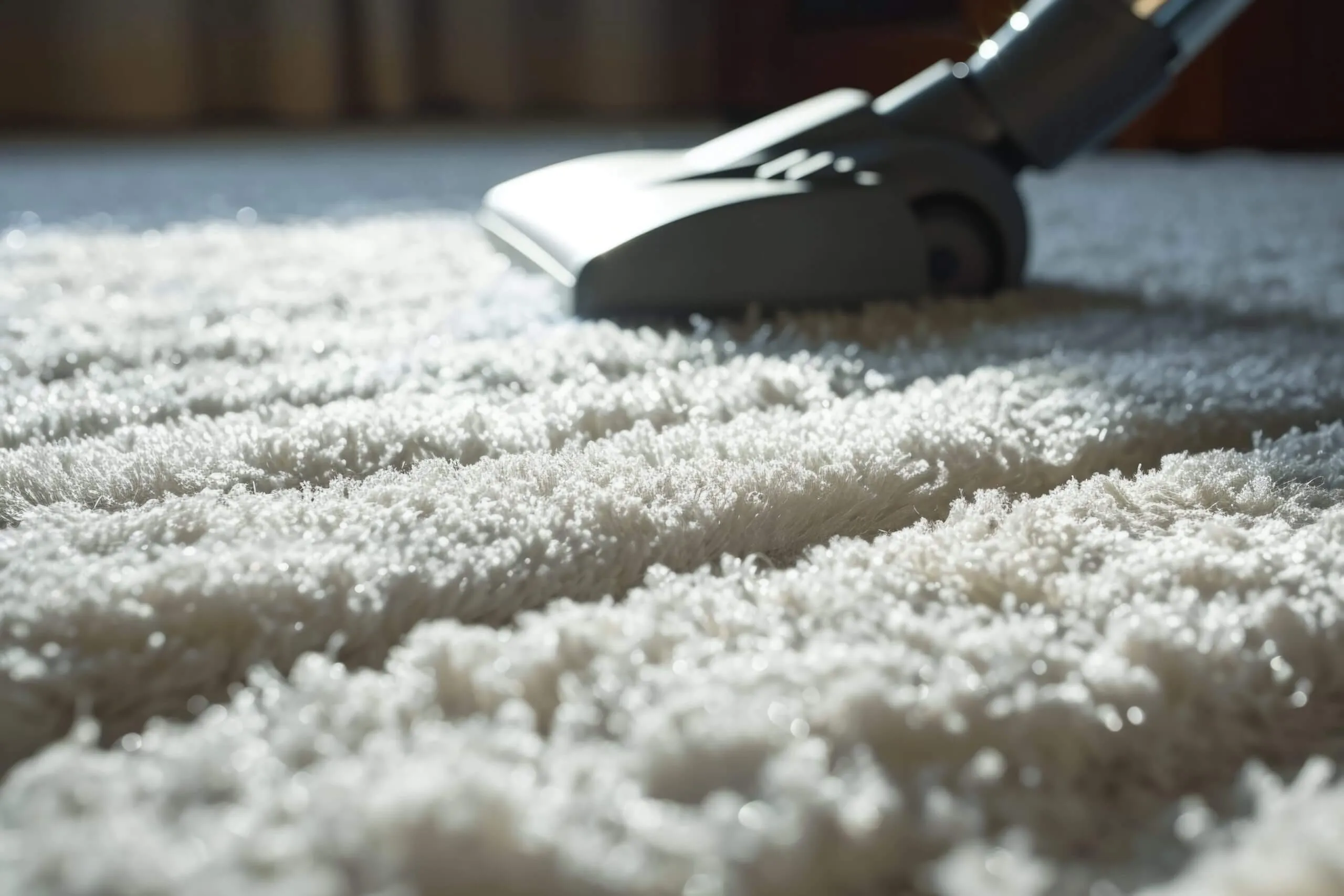
When it comes to office carpet cleaning, the cost is determined by a number of key factors, many of which correspond to the residential price structure but need not necessarily translate the same. Specifically, when assessing the price of this kind of cleaning, one must take into consideration total cleaning area, level of dirt and stains, time of cleaning, i.e., during working hours or after them, as well as frequency of servicing. Business carpet cleaning usually applies hot water extraction techniques similar to the residential cleaning types, although the equipment used is business-grade and thus helps to clean a larger area more effectively and efficiently, extracting more dirt from carpets thoroughly.
Additionally, since the problem of downtime is much more relevant for commercial projects, many cleaning companies have developed fast-drying methods employing the use of high-velocity air movers, thus allowing customers to start walking on carpets much sooner than the next day. There are cases when businesses cannot afford the slightest downtime when drying the carpet, and therefore they turn to low-moisture or encapsulation cleaning methods, which can’t boast such high efficiency compared to traditional methods for the sake of saving time.
Commercial Tile and Grout Cleaning in High-Traffic Areas
Commercial tile and grout cleaning involves its challenges; entryways, break rooms, and washrooms face problems as grit, grease, and moisture lead to faster staining of the grout. The same porous material issues out of residential grout exist in commercial grade at a bigger scale and mostly are affected by more soiling due to more frequent traffic.
Commercial tile cleanings are generally done through the same extraction and sealing technique that is done in residential cleaning, which comprises pre-treatment, extraction, and application of a sealer but is scheduled according to the level of traffic of the area. For example, entryways and breakrooms can receive more attention compared to administrative hallways.
Building a Maintenance Plan for Commercial Floors
Proactive maintenance systems for flooring are the best choice for protecting investments in commercial flooring. Rather than only seeking to clean when there is visible damage, a good maintenance system focuses on several things:
- Frequency of deep cleaning is based on frequency of traffic and any number of specific areas, rather than taking a single frequency for the whole space.
- Interim maintenance, including vacuuming and spot cleaning between maintenance visits.
- Entryways get special attention, as they take more grit and moisture than any other areas.
- Documenting cleaning dates helps keep track of expenses, vendor accountability, and lease requirements in some cases.
Facilities that use a plan typically experience longer lifespans because many types of damage are not allowed to build up and require early replacement of the floor, something that ends up costing more than ongoing maintenance.
Frequently Asked Questions
What is the recommended frequency of cleaning for commercial carpeting?
High-traffic commercial areas, such as the entrance and hallway should be cleaned every 3-6 months, while low-traffic ones may only need service once a year.
Can commercial cleaning occur while the office is open?
Yes — many commercial cleaning companies offer services that avoid disturbing normal operations.
Are commercial cleaning rates higher than residential rates per square foot?
There may be differences in pricing, but a commercial cleaning job may turn out to be more cost-effective despite having higher total costs due to better pricing terms per square foot, as commercial jobs usually cover a larger area.
Protect Your Flooring Investment
High-traffic office floors need a maintenance approach built around real commercial conditions, not a scaled-up version of residential service. MGX Hardwood Care works with facilities managers and business owners to build maintenance plans that fit your traffic patterns, schedule, and budget.